
Studying abroad is not just an opportunity to advance academically but also a chance to immerse oneself in a new culture and lifestyle. Italy, with its rich history, breathtaking landscapes, and unrivalled cuisine, is a popular destination for students from across the globe.
Studying Abroad, Eating Local: Embracing Italy’s Sustainable Cuisine
As they delve into their lessons and assignments, there’s another educational opportunity waiting just around the corner — the country’s sustainable cuisine. Just as students adapt to the local case study format in their academic endeavours, it’s equally enriching to engage with the traditional and sustainable practices that shape Italy’s culinary world.

Embracing the Slow Food Movement
A Brief Insight
The Slow Food Movement, originating in Italy during the transformative 1980s, emerged as a counterforce against the proliferation of fast food culture and rampant commercial consumerism. This grassroots campaign passionately champions the revival and preservation of local traditions, the celebration of nutritious, good food, and the advocacy of a leisurely, more meaningful pace of life. For international students who choose Italy as their academic destination, integrating the philosophy of this movement into their daily lives offers not only a window into the heart of the country’s ethos but also paves the way for a balanced, healthier lifestyle.
Historical Background and Growth
Starting as a protest against the opening of a fast food chain near the Spanish Steps in Rome, the movement rapidly gained momentum. Today, it has transformed into a global initiative with thousands of supporters advocating for biodiversity, local production, and traditional cooking methods.
Farm-to-Table: Italy’s Time-Honored Tradition
Sourcing Local Ingredients
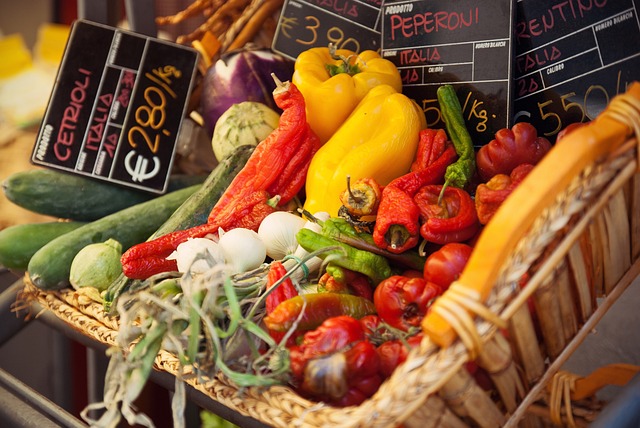
Italy’s commitment to the farm-to-table concept is neither fleeting nor recent. This age-old tradition has always been at the heart of Italian culinary practices. Vibrant local markets, laden with freshly harvested produce, artisanal cheeses, and intricate handcrafted goods, offer students an authentic taste of Italy. By making conscious choices and prioritising local ingredients, students not only improve their cooking skills but also gain a profound understanding of sustainable food practices.
Around 15% of Italy’s agricultural land is dedicated to organic production. It’s one of the leaders in Europe when it comes to organic agriculture and food sustainability, bringing together green policies and technologically-advanced production methods which are increasingly sustainable.
The Role of Family-Owned Farms
Family-run farms have been the backbone of Italy’s agrarian landscape. Their dedication to preserving heirloom varieties and traditional farming techniques ensures the availability of authentic, high-quality produce. These establishments often welcome visitors -offering educational tours and cooking classes – giving students a first-hand look at the journey from seed to plate.
Cooking the Italian Way
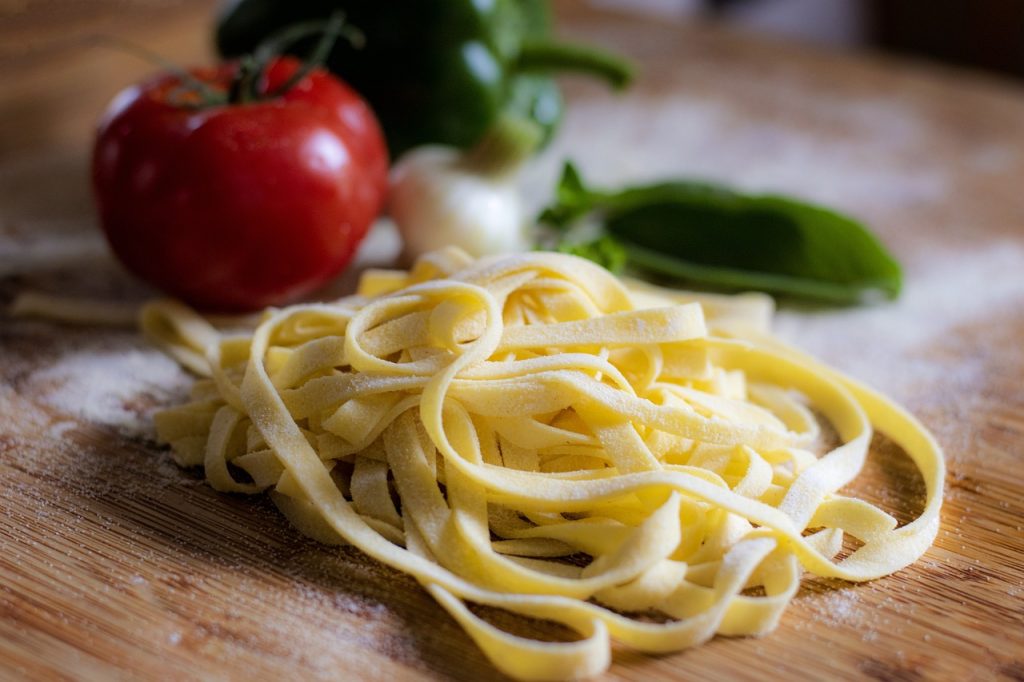
With the rigors of assignments, exams, and constant learning, students might initially perceive cooking as an added chore. Yet, the act of preparing meals, especially with the freshest of Italian ingredients, transcends mere sustenance. It becomes a meditative process, a therapeutic escape from academic pressures. Additionally, shared culinary endeavours provide an avenue for students to connect, collaborate, and cherish moments of togetherness.
=> Discover the 10 Amazing Food Markets in Italy
Sustainable Wine and Olive Tours
Wine Regions of Italy
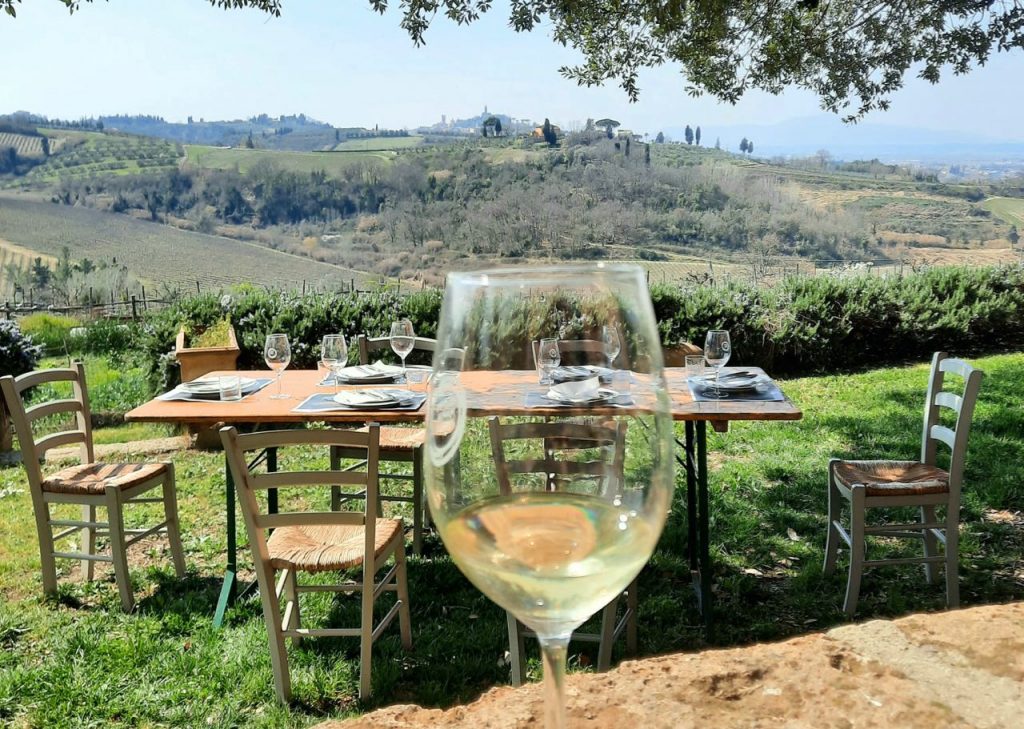
Italy’s diverse terrains and climates have given birth to an array of distinguished wine regions. From the robust and flavourful reds that grace the rolling hills of Tuscany and Piedmont to the effervescent sparkles of Veneto and the flavoursome wines of Campania and Sicily, Italy’s viticulture is an odyssey of flavours and traditions. Students (of legal drinking age) can embark on curated tours to vineyards, discovering the sustainable practices and age-old traditions that shape every bottle.
Winemaking Workshops
Many vineyards offer winemaking workshops, granting students a unique opportunity to understand the intricate processes behind wine production, from grape selection to fermentation.
Olive Groves and Their Charm
Synonymous with Italian cuisine, olive oil, with its golden hue and distinct flavor, holds a revered place in global kitchens. Olive grove visits provide students with an immersive experience, revealing the timeless methods of oil production and the sustainable measures adopted to ensure the longevity of these practices.
Local Delicacies: Beyond Just Pizza and Pasta
Regional Specialties
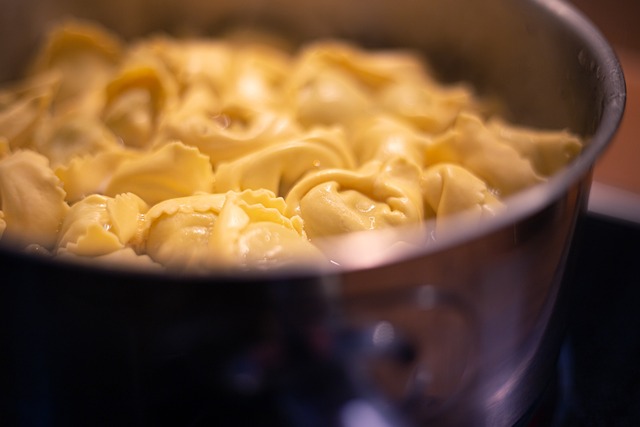
Italy is a mosaic of regions, each boasting its culinary masterpieces. From Emilia-Romagna’s delectable tortellini to the golden arancini balls of Sicily, regional dishes are a testament to Italy’s rich culinary tapestry. Students, by savouring these specialties, not only embark on a gastronomic journey but also endorse and uplift local enterprises championing sustainable practices.
Each town and area has its own traditional dishes, whose recipes haven’t changed for centuries. Take ricciarelli biscuits in Siena for example, or the cotoletta alla milanese that were both around in the Middle Ages. And of course, you have all the dishes of the cucina povera made with simple ingredients and leftovers, born in the peasants’ kitchen: ribollita and panzanella in Tuscany, pane cunzato in Sicily, pizza fritta in Naples, and a variety of soups.
Street Food Culture
While fine dining has its charm, Italy’s street food culture is equally riveting. Handheld snacks, fresh seafood, and sweet treats, commonly found in bustling markets and tiny street corners, offer students an affordable and flavourful foray into local life.
Festivals and Food Celebrations
A land of celebrations, Italy hosts myriad food-centric festivals throughout its calendar year. Whether it’s the aromatic allure of truffle fairs or the vibrant spectacle of tomato festivals, these occasions provide students with a delightful reprieve from academic rigors, enticing them into a world of age-old customs, authentic recipes, and community spirit.
=> Best Autumn Food Festivals in Tuscany
=> 5 Italian dishes that will melt your heart
In brief
Studying in Italy provides students with an unparalleled opportunity to blend academic learning with cultural immersion. By engaging with Italy’s sustainable food movement, students not only enrich their taste palate but also contribute positively to the environment and local communities. As they return to their home countries, they carry with them not just knowledge from textbooks but also the essence of sustainable living inspired by Italy’s deep-rooted traditions.
=> Art and Crafts Workshops in Italy’s lesser known regions


